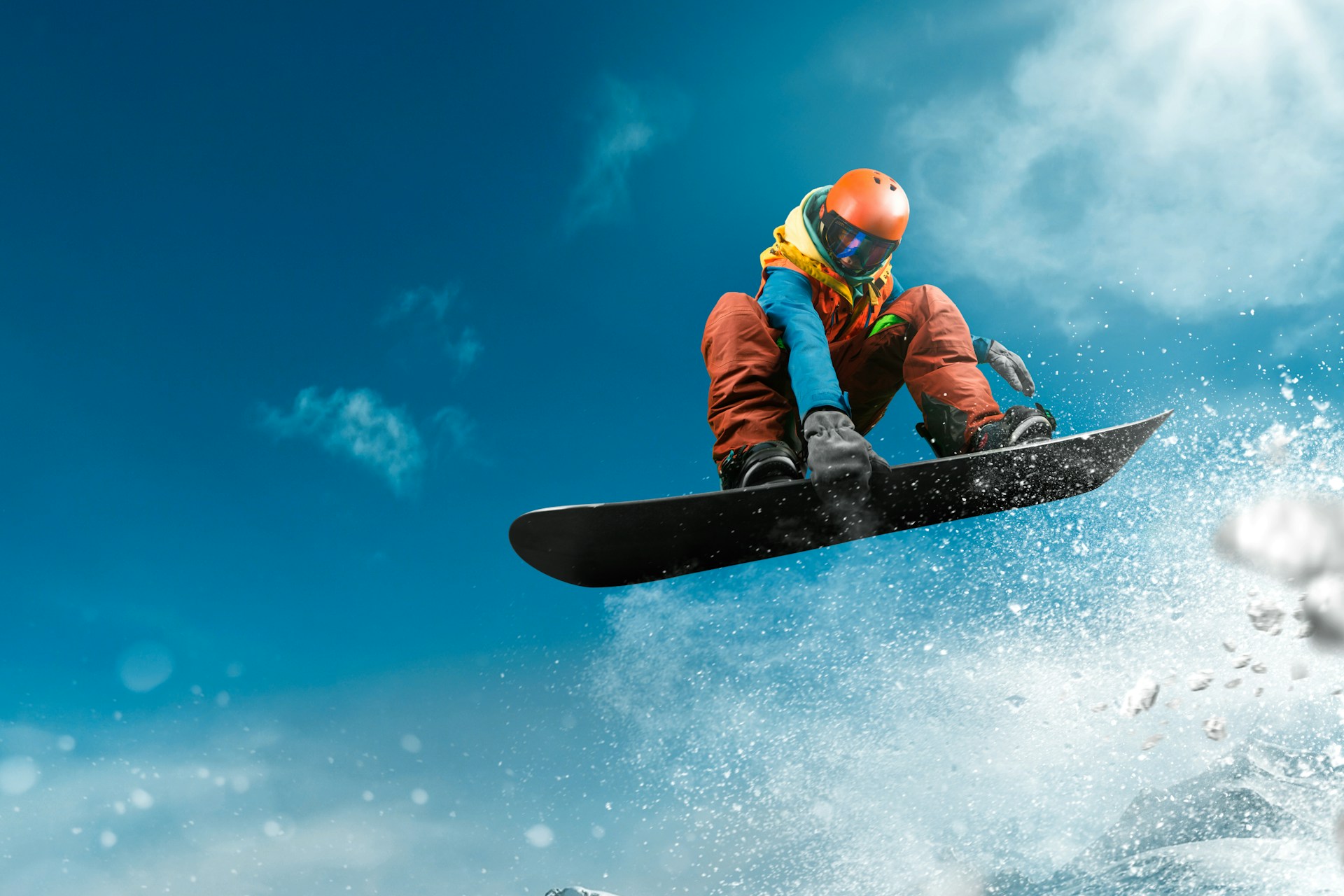
Skiing teaches valuable lessons in risk assessment, preparation, and smart decision-making when facing uncertain conditions. Every skier faces changing terrain, unpredictable weather, and situations that require quick judgment. So understanding how to evaluate potential dangers is essential to staying safe and improving performance. These lessons also apply to business, leadership, personal development, and everyday challenges. By examining how skiers approach difficult situations, individuals can develop stronger decision-making skills, manage uncertainty, and respond confidently to unexpected circumstances.
Understanding Risk Assessment Through Skiing
Risk assessment plays a central role in skiing because every slope presents different challenges. Skiers must evaluate terrain difficulty, snow conditions, visibility, and personal ability before choosing their routes. Moreover, experienced skiers recognize that successful decisions depend on understanding both environmental conditions and individual limitations. This awareness helps them avoid unnecessary exposure to danger while maintaining control over their movements.
Similarly, effective risk management in professional environments requires careful evaluation before taking action. Business leaders, for example, must consider market conditions, financial resources, and operational challenges before making important decisions. By identifying potential obstacles early, organizations can develop strategies that reduce uncertainty and support better outcomes.
Preparing for Uncertainty Before Taking Action
Preparation significantly influences how skiers handle unexpected situations. Before entering challenging terrain, responsible skiers inspect their equipment, review weather forecasts, and assess their physical readiness. They also choose appropriate routes based on experience and current conditions. These preventive measures reduce avoidable risks and build confidence.
Likewise, preparation strengthens decision-making in business and everyday life. Professionals who research potential challenges, establish contingency plans, and evaluate available resources often respond more effectively to unexpected developments. Thoughtful preparation also builds flexibility, allowing individuals to adjust their strategies without losing sight of their objectives.
Making Confident Decisions Under Pressure
Skiing frequently requires quick decisions, especially when navigating steep slopes or changing snow conditions. Skiers must maintain concentration while adjusting their speed, direction, and technique. However, confidence does not mean ignoring danger. Instead, effective decisions combine practical experience, situational awareness, and a realistic understanding of personal capabilities.
In professional settings, decision-makers face similar pressures when responding to unexpected problems or time-sensitive opportunities. Therefore, developing the ability to remain focused under stress can improve judgment and reduce impulsive behavior. Leaders who evaluate essential information before acting can make more balanced decisions, even when circumstances demand immediate attention.
Recognizing Personal Limits and Managing Exposure
Understanding personal limitations represents another important lesson from skiing. Although challenging slopes can be exciting, attempting terrain beyond one’s abilities can create unnecessary danger. As a result, experienced skiers know when to slow down, choose easier routes, or postpone difficult activities. This disciplined approach supports long-term improvement without sacrificing safety.
Similarly, organizations must understand their financial, operational, and strategic limitations before pursuing ambitious goals. Expanding too quickly or accepting excessive uncertainty can weaken stability. By recognizing existing capabilities and establishing reasonable boundaries, businesses can pursue growth opportunities while maintaining appropriate risk controls.
Adapting Strategies to Changing Conditions
Mountain environments can change rapidly, making adaptability essential for safe skiing. Weather patterns, snow quality, and visibility may shift throughout the day. As a result, skiers must continuously reassess conditions and modify their plans when necessary. Those who remain flexible can respond more effectively to new challenges and avoid relying on outdated assumptions.
Likewise, businesses operate in environments influenced by economic changes, technological developments, and evolving customer expectations. Therefore, successful leaders regularly review their strategies and adjust their decisions as new information becomes available. Adaptability helps organizations maintain resilience while responding to uncertainty with practical solutions.
Learning From Experience and Previous Mistakes
Experience helps skiers recognize warning signs and improve their judgment over time. After completing a difficult run, thoughtful skiers can evaluate their technique, identify mistakes, and consider alternative approaches. Learning from instructors and experienced companions also provides valuable insights that may prevent repeated errors. Continuous improvement gradually strengthens both confidence and technical ability.
Similarly, professionals can improve risk management by reviewing previous decisions and examining their outcomes. Organizations that analyze setbacks, document lessons, and encourage constructive feedback develop stronger decision-making processes. Moreover, learning from experience helps individuals identify recurring problems and implement preventive measures before similar challenges arise.
Balancing Opportunity With Responsible Risk Management
Skiing demonstrates that avoiding every challenge is neither realistic nor necessary for progress. Instead, skilled participants learn to distinguish manageable risks from situations that exceed acceptable safety boundaries. By combining preparation, experience, and careful judgment, skiers can explore new terrain while maintaining responsible decision-making practices.
Ultimately, the lessons learned on the slopes extend far beyond winter sports. Effective risk management requires awareness, preparation, adaptability, and a willingness to learn. Whether navigating mountain terrain or making important professional decisions, individuals benefit from evaluating uncertainty before acting. Therefore, adopting the disciplined mindset of an experienced skier can support smarter choices, stronger resilience, and sustainable long-term success.