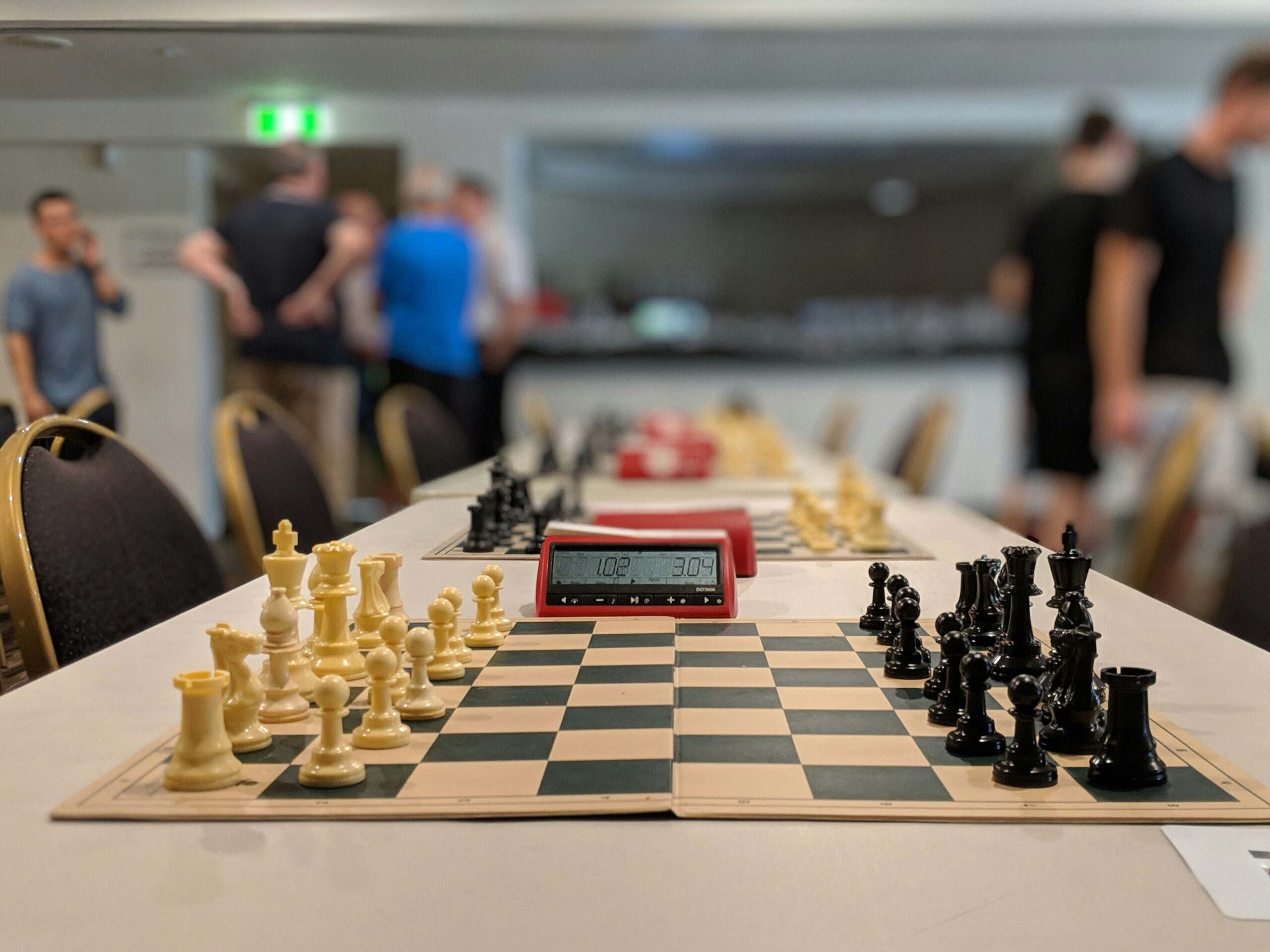
The 2026 Candidates Tournament represents more than a battle for a world championship opportunity. It marks the beginning of a new era where emerging grandmasters challenge established stars and redefine modern chess strategy. As the competition brings together elite players from around the world, fans are watching a generation shift that could influence the future of the game.
Moreover, the tournament highlights how chess has transformed through technology, advanced preparation, and deeper analytical methods. Today’s players combine traditional creativity with powerful computer analysis, allowing them to discover new ideas and improve their decision-making. Therefore, the next challenger for the world title may represent a completely different style of chess compared with previous champions.
The Candidates Tournament has always served as the ultimate test of consistency, preparation, and mental strength. However, the 2026 edition carries extra importance because the chess world continues to search for the next dominant figure after years of legendary battles between elite players. As a result, every match becomes a statement about who can lead the sport into its next generation.
A New Generation Challenges the Established Chess Elite
For decades, world chess championships have featured iconic names who shaped the direction of competitive play. Players such as Garry Kasparov, Viswanathan Anand, Magnus Carlsen, and other champions created unforgettable eras through their unique approaches. However, the current landscape shows that younger grandmasters are ready to challenge that tradition.
Furthermore, modern chess players enter professional competition with stronger training systems than previous generations. They use artificial intelligence tools, advanced databases, and detailed preparation methods from an early stage. Because of this development, young competitors can quickly close the experience gap and compete against established champions.
The 2026 Candidates Tournament demonstrates this changing balance of power. Instead of relying only on natural talent, successful players now combine calculation skills, physical preparation, and psychological discipline. Consequently, the next world champion will likely be someone who understands both classic chess principles and modern technological advantages.
Technology and Artificial Intelligence Are Changing Competitive Chess
Artificial intelligence has become one of the most influential forces in modern chess. Today, players use advanced engines to analyze openings, study weaknesses, and prepare creative strategies. However, technology does not replace human imagination. Instead, it gives players new opportunities to explore positions that previous generations could not fully understand.
In addition, AI-powered analysis has changed how grandmasters prepare for major tournaments. Players now examine thousands of possible variations before sitting at the board. Therefore, preparation has become a combination of human creativity and machine-supported research. The strongest competitors understand how to use technology without losing their personal playing identity.
The 2026 Candidates Tournament reflects this evolution because every participant arrives with extensive preparation. Moreover, small advantages often decide elite-level games, making strategic planning more important than ever. As a result, future champions will need to master both traditional chess knowledge and modern analytical techniques.
Mental Strength Becomes the Key Factor in Championship Success
Although technology influences modern chess, mental resilience remains one of the most important qualities for a world champion. The Candidates Tournament creates enormous pressure because one mistake can change the entire championship race. Therefore, players must maintain concentration throughout long and demanding matches.
Additionally, elite chess requires emotional control. Grandmasters must handle unexpected positions, difficult losses, and intense public attention. While preparation creates opportunities, the ability to recover from setbacks often separates champions from talented competitors. Consequently, psychological strength may determine who earns the final world championship match.
The 2026 tournament also shows how professional chess has become more physically demanding. Players spend many hours analyzing positions, maintaining focus, and managing tournament schedules. Because of this, healthy routines and strong preparation habits have become essential parts of championship-level performance.
The Future of Chess Depends on Innovation and Global Growth
Chess continues to expand across different regions, attracting millions of new players through online platforms and digital communities. As a result, the next generation of champions may emerge from countries that were previously less represented at the highest level. The 2026 Candidates Tournament reflects this global growth and increasing diversity.
Moreover, online chess has changed how players learn and compete. Young talents can now study world-class games, participate in international events, and improve their skills without traditional limitations. Therefore, the pathway to becoming a grandmaster has become more accessible than ever before.
This growth creates a stronger competitive environment for future championships. Additionally, the combination of global participation and technological advancement ensures that chess will continue evolving. The next world champion will not only represent individual excellence but also symbolize how the game has changed.
The 2026 Candidates Tournament Could Define the Next Chess Era
The 2026 Candidates Tournament stands as a major turning point for competitive chess. It reveals which players have the skills, creativity, and determination to challenge for the highest honor in the sport. While the final result will decide the next challenger, the tournament already demonstrates that chess has entered a new phase.
Furthermore, the future of chess will likely belong to players who adapt quickly to changing conditions. Success will require more than calculation ability because champions must combine innovation, strategic thinking, communication skills, and mental discipline. Therefore, the next world champion may become a symbol of modern chess evolution.
Ultimately, the championship race represents more than one title opportunity. It reflects a broader transformation driven by technology, global talent, and new competitive philosophies. As the 2026 Candidates Tournament unfolds, the chess world watches closely because the next great era of the game may already be beginning.