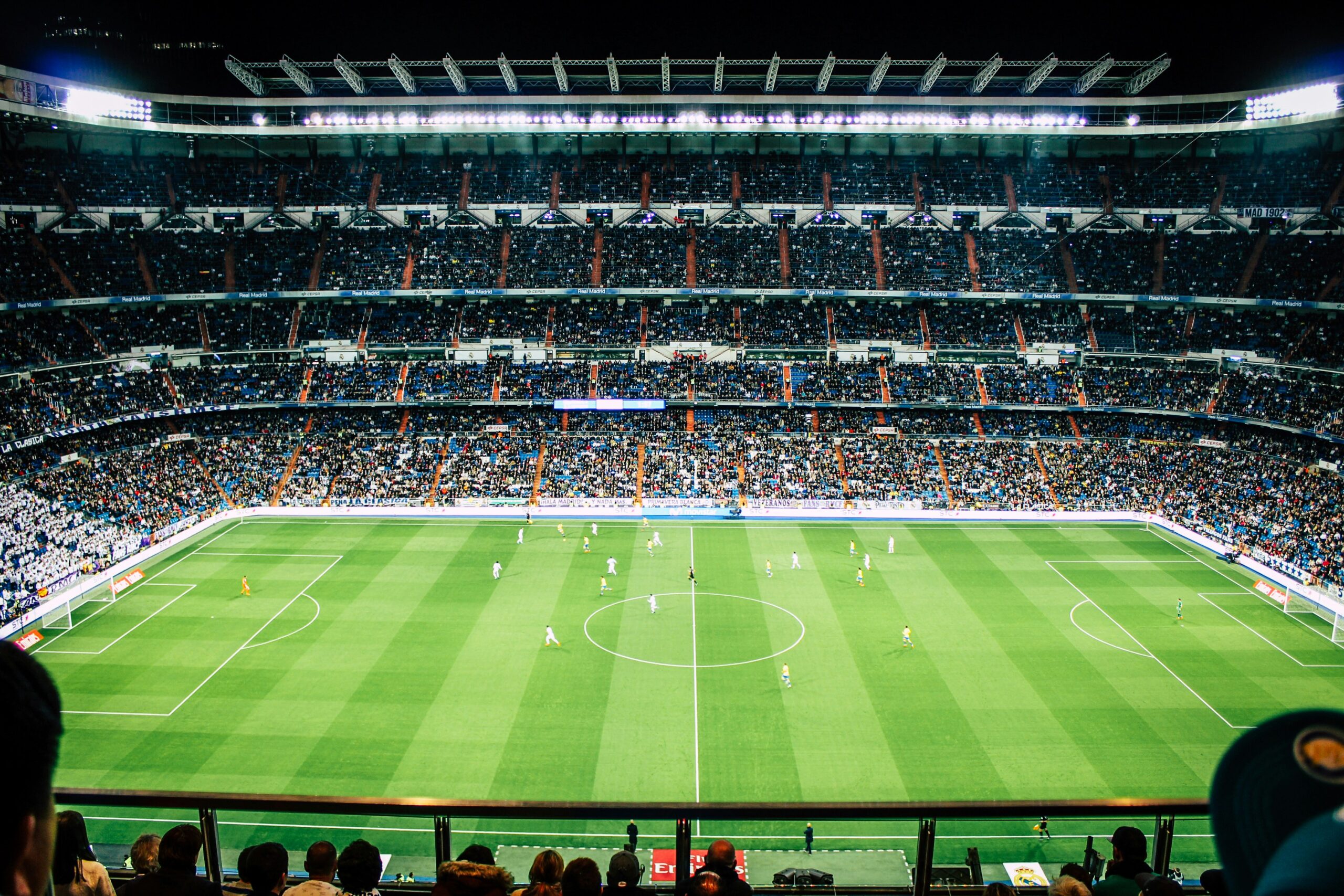
Sports venues are changing. For years, stadium development focused on seating capacity, hospitality, transportation, technology, and fan experience. Today, sustainability is an important part of the investment equation. Developers, team owners, cities, sponsors, and fans increasingly expect venues to reduce waste, conserve energy, and operate efficiently.
This shift is not simply about adding solar panels or recycling bins. Sustainable stadium development considers how a venue is designed, built, powered, maintained, and renovated. By treating environmental performance as a core metric, sports organizations can identify opportunities to lower operating costs while creating facilities that are better prepared for future demands.
Energy Efficiency Can Lower Long-Term Costs
Energy is one of the biggest ongoing expenses for large sports facilities. Stadiums need lighting, heating, cooling, food service equipment, digital displays, security systems, and other infrastructure that can consume significant amounts of electricity.
Modern venue projects can address these costs through efficient lighting, smart building controls, improved insulation, energy management systems, and renewable power. These technologies can help operators monitor consumption and adjust building systems based on actual use.
When energy improvements reduce operating expenses over many years, the investment case becomes stronger. A stadium that uses less power can improve financial performance while reducing its environmental impact. This makes energy efficiency a practical business consideration rather than a public relations feature.
Water and Waste Management Matter Too
Sustainable venue development also looks closely at water use and waste. Large crowds can create huge volumes of food packaging, beverage containers, and other materials during events. At the same time, restrooms, kitchens, landscaping, and maintenance operations can require substantial amounts of water.
Low-flow fixtures, rainwater collection, drought-tolerant landscaping, and water monitoring systems can reduce demand. Better recycling and composting programs can also divert materials from landfills. Some venues are going further by redesigning concessions and food operations to reduce disposable packaging and food waste.
These measures can improve resource efficiency while supporting daily operations. They also give fans visible ways to understand and support sustainability during events.
Smart Technology Makes Green Operations More Practical
Technology is helping stadium operators turn sustainability goals into measurable performance. Sensors, connected building systems, and data analytics can track energy, water, temperature, occupancy, and equipment performance in real time.
Data allows facility teams to identify waste and respond quickly. For example, heating or cooling systems can be adjusted according to occupancy instead of running at the same level throughout an entire building. Lighting can respond to schedules, while maintenance teams can identify equipment problems before expensive failures.
As smart technology becomes more accessible, sustainability metrics can become part of routine venue management. This connects environmental performance with financial planning.
Design Decisions Shape the Investment Case
Sustainability begins before construction starts. A stadium’s location, orientation, materials, transportation access, and surrounding development can influence its environmental footprint and long-term value.
Public transportation can reduce dependence on private vehicles. Durable materials can extend the life of building components and reduce future replacement needs. Flexible spaces can allow one facility to host sports, concerts, conferences, and community events throughout the year.
Developers must also consider a project’s full life cycle. A lower construction cost does not always mean a lower total cost. Materials and systems that require frequent maintenance can become expensive over time. Life-cycle thinking encourages investors to evaluate both upfront spending and long-term performance.
Sponsors and Fans Are Raising Expectations
Sustainability is also becoming relevant to the commercial side of sports. Sponsors increasingly want partnerships that align with environmental and social priorities. A venue with measurable sustainability programs can provide opportunities for brands to connect their marketing with visible environmental initiatives.
Fans are part of this shift as well. Spectators notice how venues handle transportation, waste, energy, food, and water. Clear sustainability programs can strengthen the event experience when they are practical and easy to understand.
However, credibility matters. Sports organizations can face criticism if sustainability claims are vague or unsupported. Measurable targets, transparent reporting, and consistent operations can help demonstrate that environmental commitments are part of the venue strategy rather than temporary marketing language.
The Future of Sports Venue Development
As stadium construction and renovation costs continue to require planning, sustainability is becoming closely connected with investment strategy. The most useful approach is not to treat green features as separate upgrades, but to integrate environmental performance into design, technology, operations, and financial analysis from the beginning.
Future-ready stadiums will be judged by more than capacity and appearance. Energy use, water efficiency, waste reduction, transportation access, operating costs, and building flexibility can all influence a venue’s long-term performance. Making sustainability a core metric can create facilities that work efficiently today and adapt to changing expectations tomorrow.