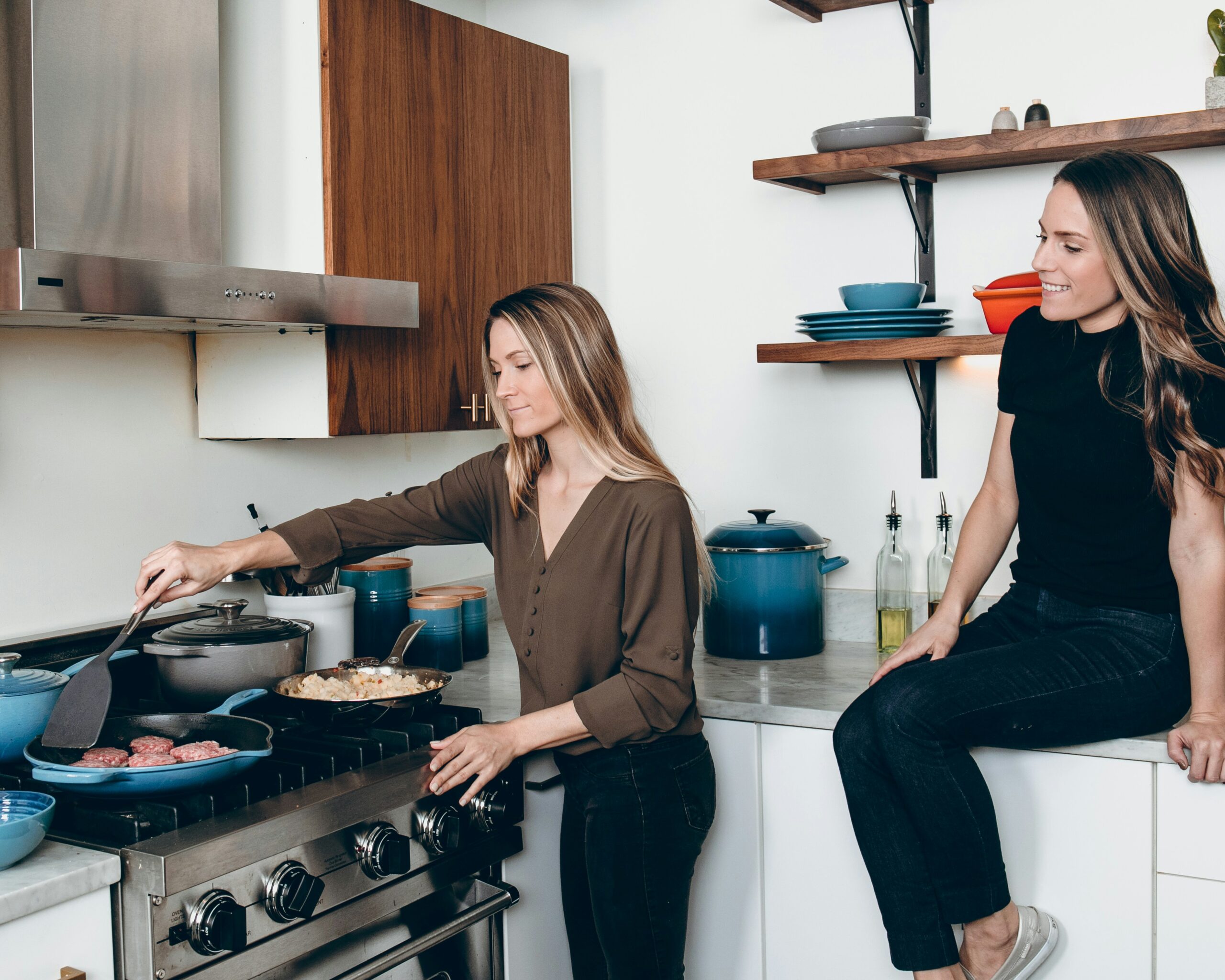
The modern kitchen continues to evolve with smart appliances, digital assistants, and connected devices that promise greater convenience. However, many families now choose a different path. They are bringing back the Analog Kitchen because they want cooking to become more meaningful instead of simply becoming faster. This growing movement celebrates slow cooking traditions, simple tools, fresh ingredients, and practical skills that encourage people to enjoy every moment spent preparing food. Instead of allowing technology to control every step, home cooks now appreciate the value of hands-on experience. As a result, cooking has become a daily practice that supports healthier eating, stronger relationships, and greater satisfaction. While modern technology still offers useful advantages, the Analog Kitchen reminds us that preparing meals with patience and care creates rewards that extend far beyond the dinner table.
Why the Analog Kitchen Is Returning
Many people spend most of their day surrounded by screens. Phones, computers, tablets, and smart devices demand attention from morning until night. Therefore, many home cooks want at least one place where they can slow down and focus on a meaningful activity. The kitchen has become a place for countless families seeking a healthier balance between technology and everyday life.
The Analog Kitchen encourages people to prepare meals without depending on digital shortcuts. Instead, they choose reliable cookware, handwritten recipes, and traditional preparation methods that require attention and care. Consequently, cooking becomes more enjoyable because every step feels intentional rather than automatic. This simple change has inspired many households to rediscover the joy of making meals from scratch.
Slow Cooking Brings Flavor Back to Every Meal
Slow cooking has always allowed ingredients to reach their full potential. Soups become richer after gentle simmering, vegetables develop natural sweetness during roasting, and homemade sauces gain depth through steady cooking. Therefore, people often notice better flavor when they allow recipes enough time to develop naturally.
Moreover, slow cooking encourages patience throughout the entire process. Home cooks can taste their food, adjust seasoning gradually, and observe how every ingredient changes with heat. Instead of rushing through recipes, they learn to appreciate each stage of preparation. As a result, meals become more satisfying because attention replaces unnecessary speed.
Traditional Kitchen Tools Continue to Prove Their Value
The Analog Kitchen depends on simple equipment that has served generations of cooks. Cast iron skillets, Dutch ovens, wooden spoons, stainless steel pots, rolling pins, and sharp chef knives continue to perform exceptionally well because they are dependable and built to last.
Furthermore, these tools require active participation. Instead of pressing buttons and waiting for machines to finish every task, cooks remain involved from beginning to end. They stir sauces, knead dough, slice vegetables, and monitor cooking progress through observation. Consequently, practical skills improve naturally with every meal they prepare.
Fresh Ingredients Shape Better Home Cooking
Fresh ingredients remain one of the greatest strengths of traditional cooking. Seasonal vegetables, fresh herbs, whole grains, quality proteins, and ripe fruits provide excellent flavor without depending heavily on processed additives. Therefore, the Analog Kitchen naturally supports healthier eating habits.
In addition, shopping for fresh ingredients encourages thoughtful meal planning. Many families visit local farmers’ markets or neighborhood grocery stores, where they can choose produce based on quality rather than convenience. This habit strengthens the connection between people and the food they prepare every day.
Cooking Skills Grow Through Daily Practice
Cooking is a practical skill that improves through repetition. Every time people prepare homemade bread, roast vegetables, make soup, or create fresh sauces, they gain greater confidence in the kitchen. Therefore, experience gradually replaces uncertainty.
The Analog Kitchen encourages learning through direct involvement instead of complete automation. Home cooks recognize proper textures, understand cooking temperatures, and develop better timing through observation. Consequently, they become comfortable adjusting recipes according to personal taste rather than depending entirely on written instructions.
Mindful Cooking Creates Everyday Calm
Modern schedules often leave little room for relaxation. However, cooking can become a peaceful daily routine when people approach it with intention. Washing vegetables, slicing herbs, stirring soup, and preparing dough all require focused attention that naturally slows the mind.
Moreover, mindful cooking helps reduce everyday stress it encouraging people to focus on one activity rather than constantly switching between tasks. The simple rhythm of preparing food creates moments of quiet that many families value after busy workdays. As a result, the kitchen becomes a place of renewal rather than pressure.
Families Reconnect Around Homemade Meals
The Analog Kitchen creates opportunities for meaningful family participation. Children can wash vegetables, measure ingredients, stir batter, or arrange the table while adults guide the cooking process. Everyone contributes according to individual abilities, making meal preparation a shared responsibility.
Likewise, cooking together creates conversations that might never happen otherwise. Family members naturally share stories, discuss their day, and learn from one another while preparing dinner. Consequently, the kitchen becomes more than a workspace. It becomes a gathering place where relationships grow stronger through everyday experiences.
Traditional Recipes Carry Family History
Many treasured family recipes exist only because previous generations prepared them repeatedly. Grandparents often teach techniques that never appear in cookbooks. Parents pass along favorite meals through demonstration rather than detailed instructions. Therefore, the Analog Kitchen helps preserve valuable traditions.
Preparing these recipes also creates emotional connections that extend beyond food itself. Every meal reminds families of special celebrations, cultural heritage, and shared memories. As a result, cooking becomes an important way to honor family history while creating new traditions for future generations.